
At Advanced Lifespan Nutraceuticals, we are committed to full transparency by providing a sample of the scientific research that validates the efficacy of each ingredient in supporting overall well-being.
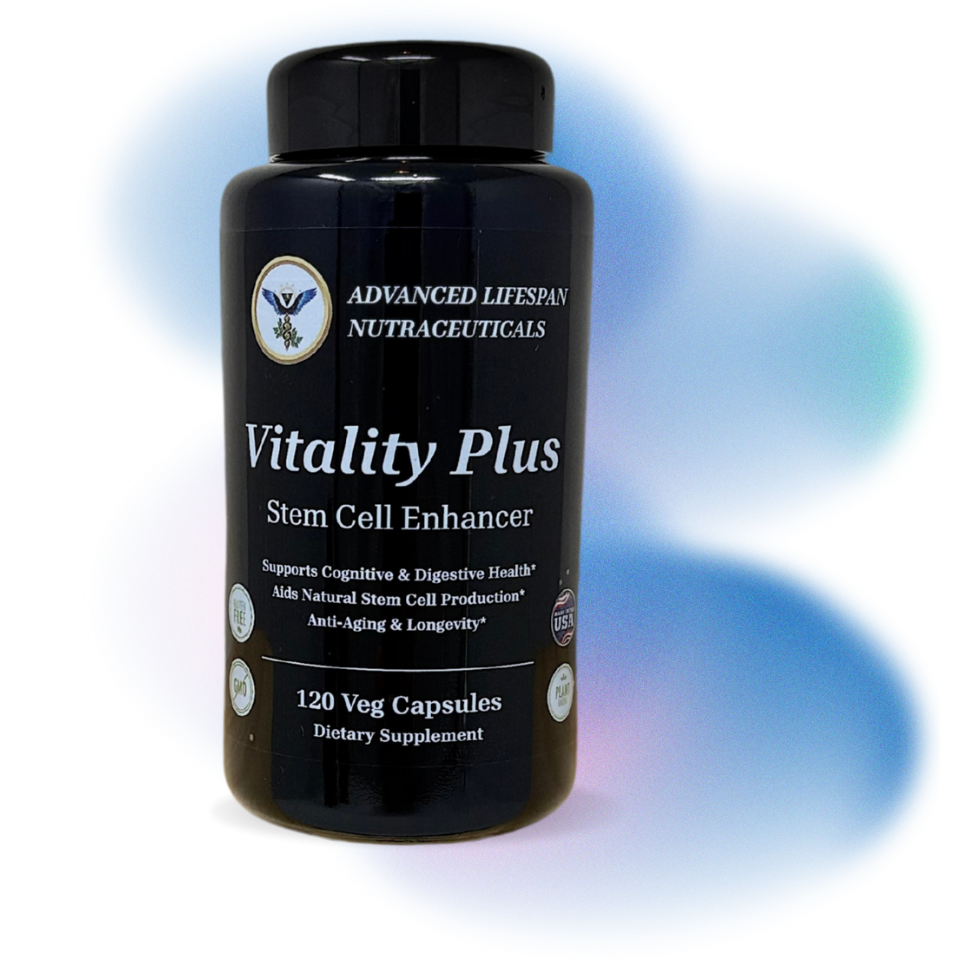
In discovering the scientific mechanisms behind Vitality Plus Stem Cell Enhancer, each of its 19 carefully selected ingredients is backed by extensive research, demonstrating their proven benefits in key areas such as deep cognitive function, stem cell support (including mobilization, differentiation, and proliferation), wound healing, and telomere health (lengthening, activation, and protection). Additionally, these ingredients contribute to anti-aging, cellular protection, longevity, immune function, stress resilience, and antioxidant support, as well as promoting skin, eye, and digestive health.
The study found that apple cider vinegar (ACV) can effectively kill harmful bacteria like E. coli, Staphylococcus aureus, and the yeast Candida albicans. It also showed that ACV helps reduce inflammation by lowering the levels of certain harmful substances (cytokines) produced by immune cells when exposed to these germs. Additionally, ACV seemed to interfere with the germs’ ability to produce important proteins they need to survive and grow.
A systematic review and meta-analysis of randomized clinical trials examined the effects of apple cider vinegar (ACV) on lipid profiles and glycemic parameters. The analysis revealed that ACV consumption significantly reduced serum total cholesterol by approximately 6.06 mg/dL, fasting plasma glucose by 7.97 mg/dL, and HbA1C levels by 0.50%, indicating potential benefits in managing blood lipid levels and glycemic control.
The review article provides an up-to-date overview of the significant bioactive compounds in apples and their reported pharmacological actions against chronic diseases. It discusses how these compounds, including polyphenols and dietary fiber, contribute to health benefits such as antioxidant, anti-inflammatory, and lipid-lowering effects, which may aid in the prevention of conditions like cardiovascular diseases, diabetes, and cancer.
The review article “” explores how apple consumption may reduce cardiovascular disease (CVD) risk by modulating gut microbiota composition and activity. It highlights that apple-derived polyphenols and fibers reach the colon, where they are metabolized by gut bacteria into bioactive compounds, leading to beneficial effects on lipid metabolism, vascular function, and inflammation, thereby contributing to improved cardiovascular health.
Research indicates that vinegar consumption can beneficially regulate the gut microbiome and metabolome. In a study involving mice, administration of Shanxi aged vinegar (SAV) led to significant decreases in inflammatory factors and alterations in gut microbiota composition, including increased levels of beneficial bacteria such as Akkermansia and Verrucomicrobia. These changes were associated with enhanced immune responses and reduced inflammation, suggesting that vinegar intake may promote a healthier gut environment.
The study investigated the impact of Klamin®, an extract from the blue-green algae Aphanizomenon flos-aquae (AFA), on human colon muscle contractions. The findings revealed that Klamin® significantly reduced spontaneous contractions of the colon by activating trace-amine-associated receptor 1 (TAAR1) through its β-phenylethylamine (β-PEA) content, leading to serotonin release from enteric neurons, suggesting its potential as a natural remedy for intestinal motility disorders.
The study investigates the therapeutic potential of AphaMax®, a concentrated extract from the blue-green algae Aphanizomenon flos-aquae, in a rat model of colitis induced by 2,4-dinitrobenzenesulfonic acid (DNBS). The findings demonstrated that preventive oral administration of AphaMax® significantly reduced the severity of colitis, as evidenced by improvements in clinical signs, macroscopic and microscopic colon damage, and decreased levels of inflammatory markers such as myeloperoxidase activity, pro-inflammatory cytokines (IL-1β, IL-6), and oxidative stress indicators, suggesting its potential as a complementary therapy for inflammatory bowel disease.
The preliminary study investigates the impact of extracts from the blue-green algae Aphanizomenon flos-aquae (AFA) on human stem cell proliferation. The researchers found that while AFA extracts alone had moderate effects, combining an ethanol extract of AFA cellular concentrate with the nutraceutical formulation NT-020 significantly enhanced the proliferation of human bone marrow and CD34+ hematopoietic stem cells in culture.
A study investigated the impact of consuming Aphanizomenon flos-aquae (AFA), a type of blue-green algae, on the mobilization of CD34+ hematopoietic stem cells (HSCs) in healthy individuals. The results indicated that short-term consumption of AFA extract over 48 hours significantly increased the number of circulating CD34+ cells, suggesting that AFA may effectively promote HSC mobilization.
Aphanizomenon flos-aquae (AFA), a type of blue-green algae, has demonstrated significant antioxidant and neuroprotective properties. Studies indicate that AFA extract can mitigate neurodegeneration by reducing insulin resistance, decreasing neuronal loss, and modulating the activation of astrocytes and microglia, which are crucial for maintaining brain health.
The review article provides a comprehensive overview of recent studies on Aloe vera, focusing on its bioactive compounds such as aloesin, aloin, and emodin. The article highlights Aloe vera’s diverse pharmacological activities, including antioxidant, anti-inflammatory, antimicrobial, and wound-healing properties, and emphasizes the need for further clinical trials to validate these effects in human health applications.
The study titled explored the combined effects of lyophilized Aloe vera gel and bone marrow-derived mesenchymal stem cells (BM-MSCs) transplantation in treating radiation-induced liver damage in rats. The findings indicated that this combination therapy improved liver function, reduced oxidative stress and inflammation, and promoted the differentiation of transplanted M
The study investigates various bioactivities of Aloe vera leaf extracts. The findings demonstrated that the extracts possess significant antioxidant properties, effectively scavenge free radicals, exhibit antimicrobial activity against certain bacterial strains, show cytotoxic effects on specific cancer cell lines, and inhibit protein kinase activity, suggesting potential therapeutic applications.
The study titled “Network Pharmacology-Based Study on the Mechanism of Aloe Vera for Treating Cancer” utilized network pharmacology and molecular docking approaches to explore the anticancer mechanisms of Aloe vera. The analysis identified eight active compounds, including quercetin and aloe-emodin, targeting 174 cancer-related genes such as AKT1, TP53, and VEGFA, suggesting that Aloe vera exerts its anticancer effects through multiple pathways, including the TNF signaling pathway and apoptosis.
This article explores Aloe Vera’s immunomodulatory effects, emphasizing its potential in enhancing immune function and its applications in tissue engineering, which may contribute to longevity.
This study demonstrates Aloe Vera’s anti-inflammatory properties, highlighting its ability to inhibit the cyclooxygenase pathway, thereby reducing inflammation and promoting cellular health.
The article reviews existing scientific literature on the anticancer and immune-boosting properties of Astragalus root and Shiitake mushrooms. The authors propose a novel method of cultivating Shiitake mushrooms on Astragalus-enriched beds, which may enhance the transfer and bioavailability of beneficial Astragalus polysaccharides into the mushrooms, potentially leading to a functional food with combined therapeutic effects.
The article examines the traditional uses and pharmacological properties of Astragalus membranaceus, highlighting its potential anti-aging benefits. The authors discuss how compounds such as polysaccharides, flavonoids, and saponins contribute to its antioxidant, anti-inflammatory, and immunoregulatory effects, which may play roles in lifespan extension and the prevention of age-related diseases.
A study investigated the effects of Cycloastragenol and Astragaloside IV, compounds derived from the herb Astragalus membranaceus, on nucleus pulposus cells exposed to high glucose conditions. The findings revealed that these compounds activated telomerase, reduced cellular senescence and apoptosis, and improved cell viability, suggesting their potential therapeutic role in managing diabetes-induced intervertebral disc degeneration.
This study investigates natural compounds, including those from Astragalus, for their ability to activate telomerase, supporting telomere length preservation and anti-aging effects
A study evaluated the effects of a multi-component hydroethanolic root extract (HRE) of Astragalus mongholicus Bunge on telomere length in peripheral blood lymphocytes from 18 healthy donors aged 32 to 86 years. The findings revealed that HRE treatment led to significant telomere elongation with less toxicity compared to danazol, suggesting its potential for managing age-related diseases.
A study investigated the effects of Astragalus polysaccharides (APS) on epileptogenesis, cognitive impairment, and neuroinflammation in a pentylenetetrazole-induced kindling mouse model. The results demonstrated that APS administration reduced seizure severity, improved cognitive function, and decreased neuroinflammatory responses, suggesting its potential therapeutic role in epilepsy management.
A randomized, double-blind, placebo-controlled study investigated the effects of an Astragalus-based nutritional supplement on telomere length in 40 healthy middle-aged adults over six months. The findings revealed that participants taking the supplement experienced significant increases in both median and short telomere lengths, suggesting the supplement’s potential role in promoting healthy aging.
The article explores the diverse biological activities of β-glucans, highlighting their potential in enhancing wound repair. It discusses how β-glucans, derived from sources like yeast, grains, and fungi, can modulate immune responses, promote tissue granulation, stimulate collagen deposition, and facilitate reepit2.helialization, thereby contributing to effective wound healing.
The article explores the immunomodulatory, antiviral, and anti-inflammatory properties of fungal β-glucans, highlighting their potential role in preventing and treating COVID-19. It discusses how these polysaccharides can enhance immune responses, potentially mitigating the severity of viral infections, including SARS-CoV-2.
The article discusses how β-glucans, particularly those derived from yeast, function as biological response modulators by activating various immune cells, including macrophages and neutrophils. This activation leads to increased production of cytokines such as interleukins and tumor necrosis factor-α, enhancing the body’s defense mechanisms against infections and potentially contributing to cancer therapy.
The article explores the significant role of β-glucans, a key polysaccharide found in mushrooms, in promoting health span and longevity by mitigating oxidative stress and modulating immune responses. It discusses how β-glucans contribute to the inhibition of cellular senescence and highlights their potential in supporting healthy aging through their antioxidant and immunomodulatory properties.
The article examines the health benefits of β-glucans found in edible mushrooms. It highlights that while β-glucans from oats and barley have been shown to improve cardiovascular health by enhancing glucose and lipid metabolism and lowering blood pressure, similar effects from mushroom-derived β-glucans require further confirmation through human studies. Additionally, mushrooms contain other beneficial components, such as bioactive phenolic compounds, vitamins, and minerals, which may also contribute to cardiovascular protection.
A pilot study investigated the effects of Ginkgo biloba extract (EGb) on cerebral blood flow (CBF) in nine healthy elderly men, using dynamic susceptibility contrast-enhanced magnetic resonance imaging (DSC-MRI). After four weeks of EGb supplementation (60 mg twice daily), results indicated a mild increase in CBF, particularly in the left parietal–occipital white matter, suggesting that EGb may enhance cerebral perfusion in specific brain regions.
A review of studies looked at how well Ginkgo biloba works for brain-related conditions like dementia and schizophrenia. The findings showed that it helped improve memory and daily activities in people with dementia and reduced some symptoms in schizophrenia, but it didn’t help with all symptoms or conditions like depression, anxiety, ADHD, or addiction.
The narrative review examines the effects of Ginkgo biloba (GB) on age-related conditions such as neurodegenerative diseases, cardiovascular disease (CVD), and cancer. The review highlights GB’s potential benefits, including improvements in memory, cognition, and quality of life, as well as reductions in oxidative stress, inflammation, and metabolic risk factors, suggesting its usefulness in preventing and treating aging-related conditions.
The review article examines the pharmacological mechanisms and clinical applications of Ginkgo biloba extract (EGb) in treating degenerative disorders. It highlights EGb’s antioxidant properties, its role in preventing mitochondrial dysfunction, and its effects on apoptosis, contributing to neuroprotection, cardiovascular health, and potential anticancer benefits.
The study investigates the effects of Ginkgo biloba extract (EGb 761) on cognitive deficits in a mouse model of Alzheimer’s disease. The findings revealed that EGb 761 administration enhanced memory performance, increased the proliferation of new neurons in the hippocampus, and reduced amyloid-beta (Aβ) accumulation, suggesting its potential therapeutic role in mitigating Alzheimer’s-related cognitive decline.
The review highlights the cognitive-enhancing properties of various plant-based compounds, with a focus on Gotu Kola (Centella asiatica) as a notable nootropic herb. Gotu Kola is discussed for its ability to improve memory, learning, and cognitive function through its antioxidant, neuroprotective, and anti-inflammatory effects. The article explains that active compounds in Gotu Kola, such as asiaticoside and madecassoside, contribute to enhanced neurogenesis, reduced oxidative stress, and improved cerebral blood flow. These mechanisms suggest that Gotu Kola may play a significant role in preventing cognitive decline and supporting brain health, making it a valuable natural option for enhancing cognitive performance.
The study investigates the effects of a water extract of Centella asiatica (CAW) on metabolic pathways in a mouse model of Alzheimer’s disease. The findings revealed that CAW treatment modulated pathways related to purine metabolism, nicotinate and nicotinamide metabolism, and glycerophospholipid metabolism, suggesting potential mechanisms for its cognitive-enhancing effects.
The article investigates the role of natural compounds in activating telomerase, an enzyme that maintains telomere length and is associated with cellular aging. The study found that certain natural compounds, such as Centella asiatica extract, oleanolic acid, and astragalus extract, significantly increased telomerase activity in human peripheral blood mononuclear cells, suggesting their potential as anti-aging agents and in the treatment of age-related diseases.
The review article titled ” examines the medicinal properties of Centella asiatica, commonly known as gotu kola, and its active compounds, particularly triterpenoids like asiaticoside and madecassoside. The study highlights the herb’s extensive beneficial effects on neurological and skin diseases, attributing these benefits to its anti-inflammatory, antioxidant, and anti-apoptotic properties, as well as its ability to improve mitochondrial function. However, the authors emphasize the need for further clinical studies to confirm these effects due to the current low level of evidence and limited patient data.
The study reports that the mitochondrial genome of F. multiflora comprises two circular chromosomes measuring 200,352 and 112,098 nucleotides, respectively. These chromosomes collectively encode 57 genes, including 34 protein-coding genes, 20 transfer RNA genes, and three ribosomal RNA genes. Phylogenetic analysis indicates that F. multiflora is closely related to Beta macrocarpa and Silene latifolia. The article discusses the potential benefits of the findings. Understanding the multipartite structure of the Fallopia multiflora mitochondrial genome provides valuable insights into the plant’s evolutionary history, genetic diversity, and adaptation mechanisms. These findings can aid in further research on the plant’s metabolic pathways, particularly those related to its medicinal properties, and may contribute to improved breeding strategies and conservation efforts. Additionally, genetic insights may enhance the understanding of how mitochondrial functions influence the production of bioactive compounds, which are responsible for Fo-TI’s reputed health benefits.
The study reports the successful assembly of the F. multiflora genome at the chromosome level, totaling 1.46 gigabases. Through integrated genomic, transcriptomic, and metabolomic analyses, the researchers identified two FmRS genes responsible for catalyzing the formation of resveratrol, a stilbene compound with notable pharmacological activities, thereby enhancing the understanding of stilbene biosynthesis pathways in this medicinal plant.
It highlights the herb’s potential benefits in treating conditions like liver injury, neurodegenerative diseases, and alopecia, while also addressing concerns regarding hepatotoxicity reported in clinical cases.
The review article titled “Traditional usages, botany, phytochemistry, pharmacology and toxicology of Polygonum multiflorum Thunb.” provides a comprehensive overview of this traditional Chinese medicinal plant, commonly known as He Shou Wu. The authors discuss its traditional applications, including anti-aging and hair-darkening effects, and delve into its phytochemical constituents such as stilbenes, quinones, and flavonoids. The article also examines the pharmacological activities of these compounds, highlighting both therapeutic potential and associated toxicities, particularly hepatotoxicity linked to certain quinones like emodin.
The article examines the therapeutic benefits and potential hepatotoxicity of Polygonum multiflorum (commonly known as He shou wu or Fo-ti), a traditional Chinese medicinal herb used for conditions such as liver injury, cancer, diabetes, alopecia, atherosclerosis, and neurodegenerative diseases. The review highlights various clinical studies, discussing the herb’s pharmacokinetics, pharmacodynamics, and therapeutic assessments, while also addressing concerns regarding its safety profile.
The article explores the potential of various medicinal mushrooms in cancer treatment. It highlights that compounds such as polysaccharides and triterpenoids found in mushrooms like Lion’s Mane (Hericium erinaceus) and Ganoderma lucidum exhibit anti-tumor properties by modulating the immune system, inducing apoptosis, and inhibiting angiogenesis. The article also discusses the synergistic effects observed when these mushroom-derived compounds are used in combination with conventional chemotherapy drugs, suggesting enhanced efficacy against drug-resistant cancers. The authors emphasize the need for further research to fully understand the mechanisms involved and to develop effective mushroom-based cancer therapies.
The article titled examines the potential brain and nerve health benefits of the mushroom Hericium erinaceus, commonly known as lion’s mane, focusing on its bioactive compounds called erinacines. The authors discuss how erinacine-enriched mycelia may promote nerve growth factor synthesis, offering neuroprotective effects that could be beneficial in conditions such as ischemic stroke, Parkinson’s disease, Alzheimer’s disease, and depression. The article also addresses the safety profile of these mycelia, suggesting their potential as functional ingredients for supporting brain and nerve health.
The document reviews the neurological benefits of Lion’s Mane (Hericium erinaceus), highlighting its potential to promote nerve growth, support cognitive function, and provide neuroprotection against conditions like Alzheimer’s and Parkinson’s disease. It discusses the mushroom’s bioactive compounds, including polysaccharides and terpenoids, which contribute to its anti-inflammatory, antioxidant, and neurotrophic effects, with clinical trials suggesting its efficacy and safety in improving cognitive performance and mental well-being.
A randomized, double-blind, placebo-controlled pilot study investigated the effects of Lion’s Mane mushroom (Hericium erinaceus) supplementation on cognitive function and mood in healthy young adults. The findings tentatively suggest that Hericium erinaceus may improve speed of performance and reduce subjective stress in healthy, young adults.
The article investigates how a magnesium-incorporated TiO2 surface promotes osteogenic differentiation of bone marrow stem cells (BMSCs) by inducing autophagy through the AMPK/mTOR signaling pathway. The findings suggest that magnesium-modified surfaces can enhance bone regeneration by regulating cellular energy balance and autophagic activity.
The article explores the interconnectedness of cardiovascular disease, sarcopenia, and osteoporosis, emphasizing magnesium’s pivotal role in these conditions. It discusses how magnesium deficiency can contribute to the development and progression of these diseases, highlighting the importance of adequate magnesium intake for prevention and management
The article provides a comprehensive overview of magnesium’s physiological roles and the clinical implications of its deficiency. It emphasizes that hypomagnesemia can lead to various clinical manifestations, some of which may be life-threatening, and highlights the importance of recognizing and treating this often-overlooked electrolyte imbalance.
The article examines how insufficient magnesium levels can adversely affect cardiovascular health. It discusses the role of magnesium in maintaining heart rhythm, blood pressure, and glucose metabolism, and highlights that deficiency may contribute to conditions such as hypertension, atherosclerosis, and diabetes…
The study investigated the effects of two magnesium formulations—sucrosomial magnesium and magnesium-buffered bisglycinate chelate—on human intestinal (Caco-2) and myometrial (PHM1-41) cells. The findings revealed that magnesium-buffered bisglycinate chelate exhibited superior intestinal absorption and more effectively promoted myometrial relaxation compared to sucrosomial magnesium, suggesting its potential efficacy in clinical applications.
This study highlights magnesium’s role in reducing oxidative stress and chronic inflammation, common features of several chronic non-communicable diseases. Magnesium bisglycinate’s superior absorption makes it a preferred choice in therapeutic formulations.
The document discusses various natural products with potential anticancer properties, focusing on their ability to inhibit telomerase activity. Quercetin, a polyphenolic compound found in many fruits and vegetables, is highlighted for its role in reducing telomerase activity, inducing apoptosis, and inhibiting cancer cell proliferation, making it a promising natural anticancer agent.
Quercetin has demonstrated significant anticancer properties in both in vitro and in vivo studies. Research indicates that quercetin induces apoptosis and inhibits proliferation across multiple cancer cell lines, including breast, colon, prostate, and lung cancers, by modulating pathways such as PI3K/Akt/mTOR and influencing proteins like p53 and BCL-2.
A randomized controlled trial investigated the effects of quercetin supplementation on telomere length in patients with type 2 diabetes mellitus (T2DM). The study found that quercetin intake was associated with a significant increase in mean telomere length, suggesting its potential as a beneficial supplement for individuals with T2DM.
The article explores quercetin’s primary pharmacological activities, including its antioxidant, anti-inflammatory, and anticancer properties, as well as its potential applications in clinical medicine for conditions such as cardiovascular diseases, neurodegenerative disorders, and cancer. It highlights quercetin’s therapeutic potential while addressing challenges related to its bioavailability and delivery methods.
Quercetin, a flavonoid abundant in various plant products, exhibits significant antioxidant, anti-inflammatory, anti-carcinogenic, and anti-diabetic properties. Its lipophilic nature allows it to cross the blood-brain barrier, offering neuroprotective effects against age-related diseases such as neurodegeneration, diabetes, cancer, and inflammation.
The article investigates the protective effects of Rhodiola crenulata extract against hypoxia-induced endothelial damage by modulating the AMPK and ERK signaling pathways, which play critical roles in cellular energy homeostasis, oxidative stress response, and survival. Activation of the AMPK pathway enhances cellular energy production and autophagy, while regulation of the ERK pathway contributes to cell proliferation, differentiation, and protection against apoptosis, collectively improving endothelial function and resilience under hypoxic conditions.
The review discusses the potential applications of Rhodiola rosea, commonly known as Rosenroot, in aging-related diseases due to its adaptogenic, antioxidant, and neuroprotective properties. It highlights the herb’s ability to combat cognitive decline, reduce oxidative stress, and enhance physical endurance, making it a promising natural intervention for age-related conditions.
The review discusses the adaptogenic properties of Rhodiola rosea, highlighting its ability to combat stress by normalizing cortisol levels and boosting energy metabolism. Clinical studies suggest that Rhodiola rosea extract effectively alleviates symptoms of stress, fatigue, and burnout, offering a safe and well-tolerated alternative for managing stress-related conditions.
A comprehensive review examined the clinical efficacy of Rhodiola rosea L. preparations in alleviating life-stress symptoms and stress-induced conditions. The findings suggest that Rhodiola rosea may improve cognitive functions, mental performance, and physical endurance, as well as mitigate symptoms of fatigue and burnout.
A comprehensive review examined the antioxidant and antimicrobial properties of rosemary (Rosmarinus officinalis L.), attributing these effects primarily to its phenolic compounds, such as carnosic acid and rosmarinic acid. The study highlighted rosemary’s potential as a natural preservative in food products, noting its efficacy in preventing oxidation and inhibiting microbial growth, which could reduce the reliance on synthetic additives.
A study investigated the effects of rosemary extract on triple-negative breast cancer cells, focusing on its impact on cell proliferation, survival, and key signaling pathways. The findings revealed that rosemary extract inhibited cell proliferation and survival by modulating the Akt and mTOR signaling pathways, suggesting its potential as a therapeutic agent against this aggressive form of breast cancer.
A comprehensive review examined the therapeutic effects of Rosmarinus officinalis L. (rosemary) and its active constituents on nervous system disorders. The findings suggest that rosemary possesses significant neuroprotective, anti-inflammatory, antioxidant, and antidepressant properties, indicating its potential as a natural remedy for conditions such as depression, anxiety, Alzheimer’s disease, and neuropathic pain.
A comprehensive review examined the antioxidant properties of Rosmarinus officinalis (rosemary) and its bioactive compounds, highlighting their potential therapeutic applications in various skin conditions. The findings suggest that rosemary’s anti-inflammatory, antimicrobial, wound-healing, and anticancer activities may make it a valuable natural treatment option for inflammatory and infectious skin diseases.
A study investigated the protective effects of rosmarinic acid (RA) against radiation-induced damage to the hematopoietic system in mice. Mice treated with RA prior to gamma irradiation exhibited significantly higher survival rates, increased bone marrow nucleated cell counts, and improved hematological parameters compared to untreated irradiated controls, suggesting RA’s potential as a radioprotective agent.
The article explores the therapeutic potential of Rosmarinus officinalis (rosemary) in Alzheimer’s disease, highlighting its neuroprotective properties such as antioxidant, anti-inflammatory, and anti-amyloidogenic effects. It suggests that rosemary extracts may help improve cognitive function and slow disease progression by modulating key pathways involved in neurodegeneration.
The article explores the remedial potential of Hippophae rhamnoides (sea buckthorn), emphasizing its rich composition of bioactive compounds such as vitamins, flavonoids, and fatty acids that contribute to its antioxidant, anti-inflammatory, and antimicrobial properties. It highlights the plant’s applications in promoting cardiovascular health, skin regeneration, and metabolic regulation, making it a promising natural remedy for various health conditions.
The article discusses the bioactive constituents of sea buckthorn, including flavonoids, carotenoids, and fatty acids, and their mechanisms of action in promoting female reproductive health. It highlights sea buckthorn’s potential applications in enhancing fertility, regulating hormonal balance, and protecting against oxidative stress-related reproductive disorders.
A randomized, double-blind, placebo-controlled, cross-over trial investigated the effects of a polyphenol-rich extract from sea buckthorn berries (Hippophae) on stem cell mobilization in 12 healthy subjects. The study found that consumption of the extract led to a rapid and selective increase in specific stem cell types involved in regenerative and reparative functions, suggesting potential benefits for preventive health and delaying the aging process.
Sea buckthorn (Hippophae rhamnoides) oil is rich in various fatty acids, including omega-3, -6, -7, and -9, which contribute to its numerous health benefits. These fatty acids have been shown to support cardiovascular health, enhance skin hydration and elasticity, and possess anti-inflammatory properties, making sea buckthorn oil a valuable natural supplement for promoting overall well-being.
The article discusses the adaptogenic and therapeutic potential of Shilajit in alleviating health issues associated with high-altitude conditions such as hypoxia, fatigue, and altitude sickness. It highlights Shilajit’s rich composition of bioactive compounds, including fulvic acid and minerals, which contribute to improved energy metabolism, enhanced oxygen utilization, and protection against oxidative stress, making it beneficial for individuals exposed to high-altitude environments.
A study investigated the effects of an 8-week supplementation with Shilajit at doses of 250 mg/day and 500 mg/day on muscle strength and serum hydroxyproline levels in physically active men. The results indicated that the 500 mg/day dosage helped maintain maximal muscular strength following a fatiguing protocol and decreased baseline hydroxyproline levels, suggesting favorable adaptations in muscle and connective tissue.
The study by Carrasco-Gallardo, Guzmán, and Maccioni (2012) explores the potential cognitive benefits of Shilajit, a natural phytocomplex rich in fulvic acid, traditionally used in Ayurvedic medicine. The findings suggest that Shilajit may help prevent cognitive decline and neurodegenerative disorders, such as Alzheimer’s disease, by reducing tau protein aggregation and exerting antioxidant and anti-inflammatory effects.
A study titled investigated the effects of spermidine, a natural polyamine, on aging in mice. The findings revealed that a six-month supplementation of spermidine not only reduced telomere shortening but also mitigated various age-related conditions, including heart failure, neurodegeneration, and hair loss, suggesting its potential as an anti-aging intervention.
A bi-directional Mendelian randomization analysis investigated the causal relationship between spermidine levels and cardiovascular risk factors. The study found that higher spermidine levels are associated with reduced risks of hypertension, elevated blood glucose, and unfavorable lipid profiles, suggesting that increasing spermidine intake through diet or supplementation may be a novel approach to promoting cardiovascular health.
A study investigated the effects of spermidine on the aging of multipotent mesenchymal stromal cells (MSCs) both in vitro and in vivo. The findings revealed that spermidine delays cellular senescence by activating SIRT3, a mitochondrial deacetylase, which enhances antioxidant defenses and reduces oxidative stress, thereby preserving the proliferative and differentiation capabilities of MSCs.
The article elaborates on how spermidine induces autophagy by inhibiting the mTOR pathway and activating AMPK, leading to the degradation of damaged cellular components and reduction of oxidative stress. Additionally, it highlights spermidine’s role in modulating inflammatory responses by suppressing pro-inflammatory cytokines and regulating epigenetic processes through histone acetylation, contributing to improved cellular function and resilience against age-related diseases.
Spermidine is a natural polyamine that stimulates autophagy, a cellular process essential for degrading and recycling damaged organelles and proteins, thereby promoting cellular homeostasis and longevity. Autophagy plays a critical role in maintaining cellular function by removing harmful aggregates, reducing oxidative stress, and enhancing mitochondrial quality control, which are key factors in aging and age-related diseases. Research indicates that spermidine supplementation can extend lifespan and health span across various species, including yeast, nematodes, flies, and mice, by upregulating autophagy-related genes and pathways such as mTOR inhibition and AMPK activation. In humans, spermidine levels decline with age, and higher dietary intake of spermidine-rich foods has been associated with reduced overall mortality, particularly from cardiovascular diseases and cancer, suggesting that maintaining optimal spermidine levels through diet or supplementation may provide anti-aging and health-promoting benefits.
The article explores the multifaceted health benefits of Spirulina (Arthrospira platensis). It highlights Spirulina‘s rich content of functional compounds, such as phenolics, phycocyanins, and polysaccharides, which contribute to its antioxidant, anti-inflammatory, and immunostimulating effects. The article also discusses Spirulina‘s potential to modulate gut microbiota, suggesting that its intake may promote the growth of beneficial intestinal bacteria, thereby supporting overall health.
The article delves into the multifaceted advantages of phycocyanin, a vibrant blue pigment derived from Spirulina (Arthrospira platensis). It highlights phycocyanin’s diverse applications across various industries, including its use as a natural colorant in foods, its incorporation into cosmetics, and its therapeutic potential in pharmaceuticals due to its antioxidant, anti-inflammatory, and neuroprotective properties. The article also discusses advancements in Spirulina cultivation techniques aimed at optimizing phycocyanin production to meet increasing global demand.
This study investigated the effects of phycocyanin on aging using the yeast Saccharomyces cerevisiae as a model organism. The results demonstrated that phycocyanin significantly extended the chronological lifespan of yeast cells in a dose-dependent manner, even under calorie restriction conditions, suggesting its potential as a powerful anti-aging agent.
This study investigated the effects of sapogenins extracted from Spirulina platensis on telomerase activity in two different cell lines: MCF7 (a human breast cancer cell line) and HDF (human dermal fibroblasts). The findings revealed a dual effect, with sapogenins increasing telomerase activity in HDF cells, which are normal cells, while decreasing it in MCF7 cancer cells, suggesting potential therapeutic applications in promoting healthy cell aging and inhibiting cancer cell proliferation.
This study investigated the antioxidant effects of Spirulina extract on human lung cancer cells (A549) and normal human foreskin fibroblast cells (HFF). The results demonstrated that treatment with Spirulina extract led to a significant decrease in cell viability in A549 cells compared to HFF cells, increased reactive oxygen species (ROS) and malondialdehyde (MDA) production, and induced cell cycle arrest in the G₂ phase, suggesting its potential as a natural anticancer agent against lung cancer cells.
The article examines the health benefits of Spirulina, a blue-green alga known for its rich nutrient profile and bioactive compounds. The authors discuss its potential therapeutic applications, including immune system modulation, anti-inflammatory effects, and possible roles in managing conditions such as allergic rhinitis and chronic fatigue. The article also addresses safety considerations, noting that Spirulina is generally recognized as safe (GRAS) by the U.S. Food and Drug Administration, and highlights areas for future research to further validate its clinical efficacy.
This study investigated how trehalose, a natural disaccharide, protects cells from oxidative stress by modulating the Keap1–Nrf2 and autophagy pathways. The findings revealed that trehalose not only induces autophagy but also increases the expression of p62, which in turn activates the Nrf2 pathway, leading to enhanced expression of antioxidant enzymes and reduced reactive oxygen species levels.
This study investigated the protective effects of trehalose on bone marrow stromal cells (BMSCs) exposed to oxidative stress induced by hydrogen peroxide (H₂O₂). The findings revealed that pre-treatment with 3% trehalose enhanced cell survival by activating autophagy—evidenced by increased LC3II/LC3I ratios and decreased p62 protein levels—and reduced apoptosis, as indicated by lower expression of cleaved caspase-3. These results suggest that trehalose may serve as a potential therapeutic agent to mitigate oxidative damage in BMSCs.
The article discusses the intracellular protective functions of trehalose, highlighting its role in stabilizing proteins and cellular structures under stress conditions while also acting as an autophagy inducer. It explores the therapeutic potential of trehalose in various diseases, including neurodegenerative disorders, cardiovascular conditions, and metabolic diseases, due to its ability to modulate cellular recycling processes and reduce oxidative stress.
This research investigates Trehalose as a naturally occurring disaccharide that plays a crucial role in cellular protection by stabilizing proteins and membranes, scavenging free radicals, and acting as an osmoprotectant under various stress conditions. Its therapeutic potential has been explored in the treatment of neurodegenerative diseases, diabetes, and cardiovascular disorders, primarily due to its ability to induce autophagy, reduce oxidative stress, and inhibit protein aggregation.
This study investigated the effects of trehalose on human cytomegalovirus (HCMV) infection. The findings revealed that trehalose induces autophagy through an mTOR-independent pathway, leading to a significant reduction in HCMV gene expression and viral replication across various human cell types, including fibroblasts, endothelial cells, and neural cells.
The study titled investigated the role of zinc in the proliferation and neuronal differentiation of adipose-derived mesenchymal stem cells (AD-MSCs). The findings revealed that zinc supplementation enhanced AD-MSC proliferation and promoted neuronal differentiation by increasing neurite outgrowth, primarily through the inactivation of the RhoA pathway
The review article explores Zinc’s essential roles in various cellular processes, including cell proliferation, survival, and DNA repair mechanisms. It also discusses how disruptions in zinc homeostasis are linked to the development of chronic diseases such as cancer, diabetes, depression, and Alzheimer’s disease, highlighting the potential therapeutic benefits of zinc supplementation in managing these conditions.
The article “Role of Zinc in Immune System and Anti-Cancer Defense Mechanisms” emphasizes Zinc’s essential function in maintaining immune system integrity and its potential in cancer prevention. Zinc deficiency can impair both innate and adaptive immunity, increasing susceptibility to infections and potentially elevating cancer risk due to compromised DNA repair and antioxidant defenses.
A study investigated the effects of zinc picolinate supplementation on oxidative stress and pulmonary function in patients with stable chronic obstructive pulmonary disease (COPD). After eight weeks of daily supplementation with 22 mg of zinc picolinate, patients exhibited significant increases in plasma superoxide dismutase (SOD) activity and zinc levels, suggesting improved antioxidant capacity; however, there were no significant changes in malondialdehyde (MDA) levels or pulmonary function test results, indicating that while zinc supplementation may enhance antioxidant defenses, it does not appear to affect lung function over this duration.
The examines zinc’s essential role in the immune system, highlighting that zinc deficiency impairs both innate and adaptive immunity, leading to increased susceptibility to infections. It discusses how adequate zinc levels are crucial for the normal development and function of immune cells such as neutrophils, natural killer cells, T lymphocytes, and B lymphocytes, and emphasizes that zinc deficiency can compromise various immune responses, including skin barrier integrity, gene regulation within lymphocytes, and macrophage function.
